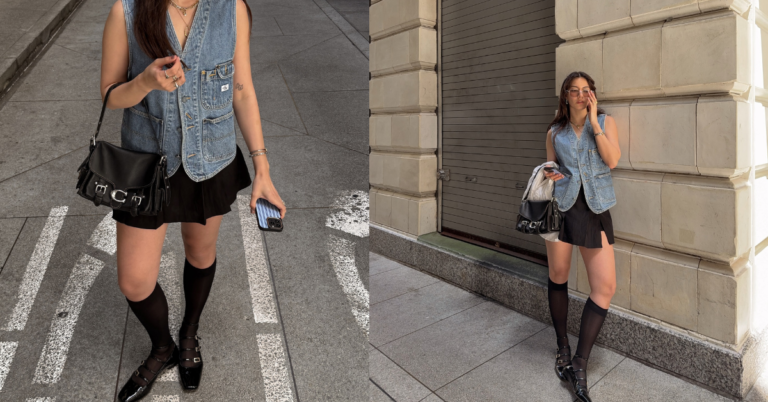

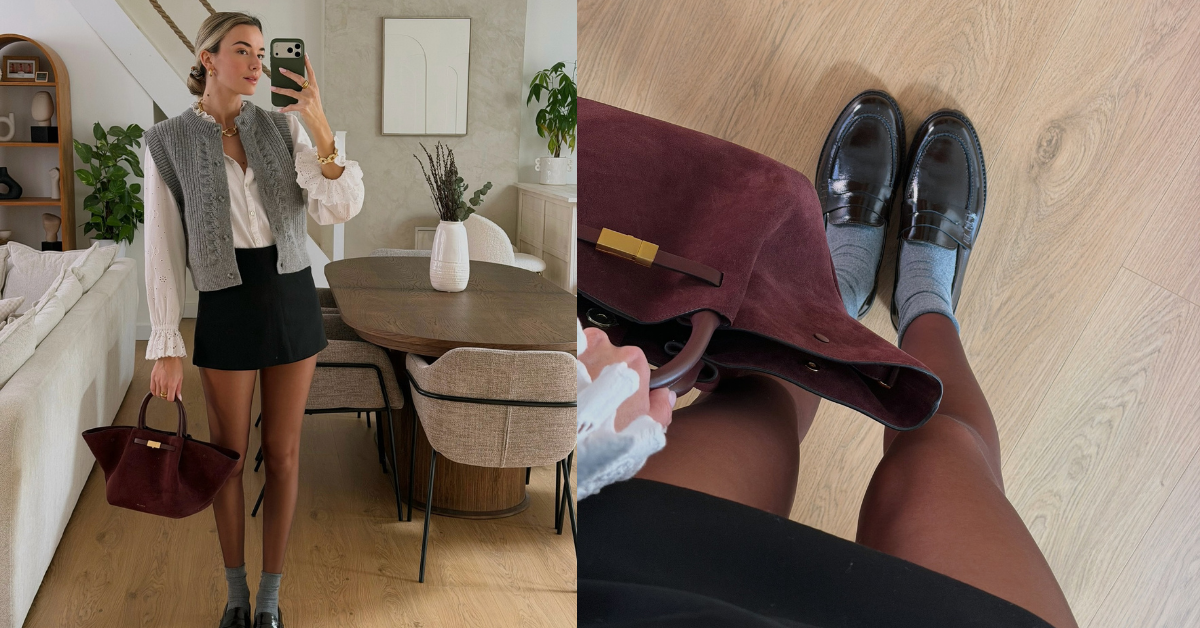
If you want festival shoes that actually survive a full day, the goal is not “the cutest shoe you can tolerate.” It’s a stable platform, a forgiving upper, and traction that still works when the ground turns to dust, grass, mud, beer, or all four.
The good news: you don’t need a specialty “festival shoe.” You need the right type for your terrain and weather, plus a couple of tiny choices that prevent the usual disasters (blisters, hot spots, wet socks, sore arches).
One honest limitation up front: if you’re wearing brand-new shoes to a festival, some of this prep simply won’t stick. You might get lucky, but it’s a risky bet
Quick picks by situation
- Most people, mixed terrain (dry): a cushioned running shoe or trainer (think HOKA or Brooks style)
- Mud, grass, rain risk: trail runners or light hikers with real lugs (Salomon, Merrell)
- Hot weather and you hate sweaty feet: supportive sport sandals (Teva)
- “I want boots, but I still want comfort”: broken-in Chelsea boots (Blundstone)
- Style-first boot look: classic lace-up boots, but only if they’re already broken in (Dr. Martens)
If you only do one thing: wear the shoes on two long walks before the festival (or at least one long walk plus a full day around town).
The decision framework (so you pick right fast)
1) Choose your “ground type”
- Mostly pavement / city fest: cushioned trainers win.
- Grass / fields: you need a stable sole and traction.
- Likely mud: trail lugs or waterproof trail shoes.
- Sand / beach: sandals or quick-dry trail shoes.
2) Choose your “weather type”
- Hot: breathable uppers, sandals, moisture-wicking socks.
- Cold evenings: closed shoes plus socks you can tolerate for hours.
- Rain risk: water-resistant or waterproof, but understand the trade-off below.
3) Know your pain pattern
- Blisters: fit + socks matter more than the shoe brand.
- Arch pain / heel pain: you want a stable heel and supportive midsole, and maybe an insole.
- Toe pain: wider toe box, less tapered shape.
One clear trade-off (no fix)
Waterproof shoes can trap heat and sweat. They keep outside water out, but they often keep your foot moisture in. On a warm day, that can feel gross. Just decide which problem you’re more likely to face.
What actually makes a shoe “all-day festival comfortable”
Stable cushioning beats “soft” cushioning
Super soft foam can feel great at hour one and wobbly at hour six. You want cushioning plus stability, especially if you’ll be standing still for long stretches.
Traction matters more than you think
If the ground is wet grass, loose gravel, or muddy paths, slick outsoles are exhausting because your feet are constantly micro-correcting. If you see “trail” or “hiking” lugs, that’s usually a good sign.
Socks are a bigger deal than most people admit
Blisters are usually friction + moisture + time. Moisture-wicking socks (wool or synthetic blends) help keep feet drier and reduce friction risk, while cotton tends to hold moisture.
The best festival shoe types (and who they’re for)
1) Cushioned trainers (best “default” for most people)
Best for: city festivals, lots of pavement, dry conditions, long walking.
Examples to look at:
- Hoka Clifton-type cushioning (Clifton 10 is positioned as a comfort-first daily shoe, with a high stack and roomy feel in reviews).
- Brooks Ghost-style daily trainers (reliable, balanced ride)
Watch-outs: if it rains hard, mesh uppers get soaked quickly.
2) Trail runners (best when the ground is unpredictable)
Best for: grass fields, gravel, light mud, mixed terrain.
Why they work: they’re built for long hours on feet, with better traction than regular trainers.
Look for:
- Lugged outsole
- Secure heel hold
- Toe protection if you tend to kick rocks or curbs
3) Waterproof trail shoes (best for mud and real rain)
Best for: wet grass, mud, rainy festivals where you’ll still walk a lot.
Good picks often include GTX versions (like Salomon-style or Merrell-style waterproof trail shoes).
This won’t work if the forecast is hot and sunny and you run warm, because waterproof liners can feel sweaty.
4) Supportive sport sandals (best for heat)
Best for: hot weather, dry ground, people who hate sweaty socks.
The key is a secure back strap and a real outsole. A model like Teva Hurricane XLT2 is designed with quick-dry straps and easy closure, which is exactly what you want when your feet swell a bit during the day.
Watch-outs: dust and grit can still rub. If you blister easily, closed shoes may be kinder.
5) Chelsea boots (best boot option that’s still practical)
Best for: cool weather, style, mixed walking, “I want boots but not pain.”
Blundstone-style boots often use a removable footbed and a PU outsole, and brand listings highlight durability and resistance to oils/fats.
Watch-outs: boots are warmer. Also, if they’re new, the heel can rub.
6) Classic lace-up boots (only if broken in)
Yes, they can look great. But they can also ruin your day.
Dr. Martens themselves openly acknowledge break-in and recommend softening/massaging leather and easing into wear.
So: only bring them if they’re already your comfortable pair.
My “don’t mess this up” checklist
Fit rules that prevent most regret
- Your heel should not lift when you walk.
- Your toes should be able to wiggle.
- No pressure point anywhere that you “think you’ll get used to.”
- Try them on in the afternoon or evening (feet swell).
The blister prevention basics (simple, not precious)
- Wear moisture-wicking socks (wool or synthetic), not cotton.
- Keep socks smooth (wrinkles create friction).
- If you know your hot spots, pre-tape them or use blister patches.
Optional: the tiny kit that saves your feet
This is optional. Skip it if you hate carrying extra stuff.
- 2 blister plasters
- 2 alcohol wipes
- a small strip of tape (or moleskin)
What I’d pick from the carousel above (realistic picks)
If you want the easiest “just works” option:
- Hoka Clifton 10 or Brooks Ghost 16 style cushioned trainers (comfort-first daily shoes).
If you expect wet grass or mud:
- Trail or GTX trail shoes like Salomon XA Pro 3D V9 GTX or Merrell Moab Speed 2 GTX.
If it’s hot and you still want support:
- Teva Hurricane XLT2 style sport sandals with secure straps.
If you want boots without feeling like you’re “performing toughness”:
- Blundstone 550 style Chelsea boots (more practical for long standing than stiff fashion boots for most people).
FAQ
Are sneakers always better than boots for festivals?
For most people, yes, especially for standing and walking all day. Boots can work if they’re already broken in and the weather is cool.
Should I go waterproof?
Only if rain or mud is likely. Otherwise you may trade dryness for sweaty feet.
Can I wear brand-new shoes if I add insoles?
Insoles can help support, but they don’t fix rubbing uppers. If the shoe creates friction, it will still create friction.
What socks should I wear?
Wool or synthetic moisture-wicking socks. Avoid cotton because it holds moisture longer, which can increase blister risk.
How do I break in boots without suffering?
Do short wears, use thicker socks, and soften the leather gradually. Dr. Martens’ own care guidance focuses on easing leather in rather than “one brutal day.”
Just a little note - some of the links on here may be affiliate links, which means I might earn a small commission if you decide to shop through them (at no extra cost to you!). I only post content which I'm truly enthusiastic about and would suggest to others.
And as you know, I seriously love seeing your takes on the looks and ideas on here - that means the world to me! If you recreate something, please share it here in the comments or feel free to send me a pic. I'm always excited to meet y'all! ✨🤍
Xoxo Camille