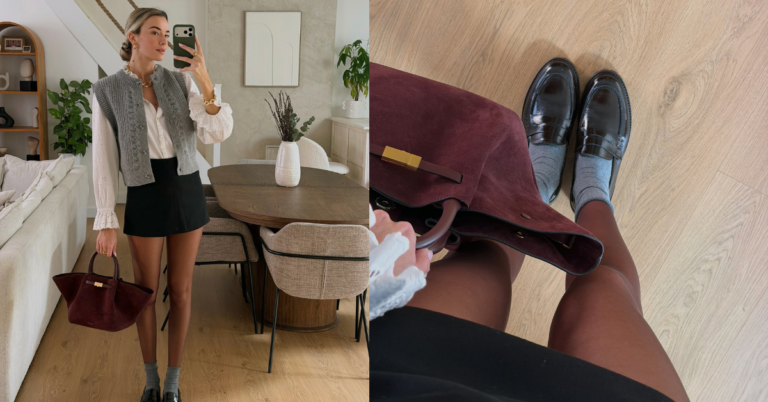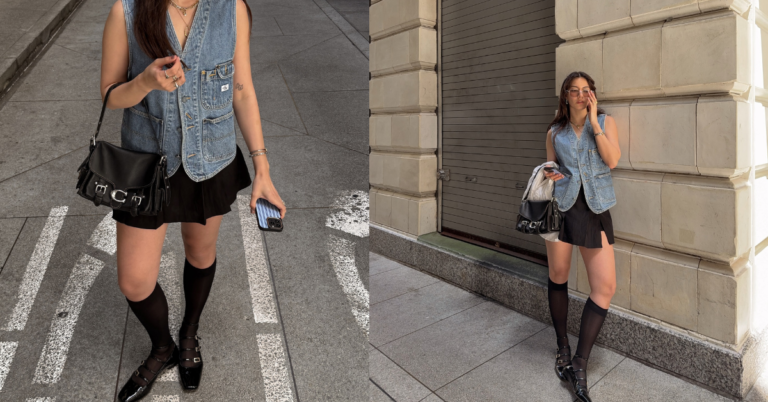

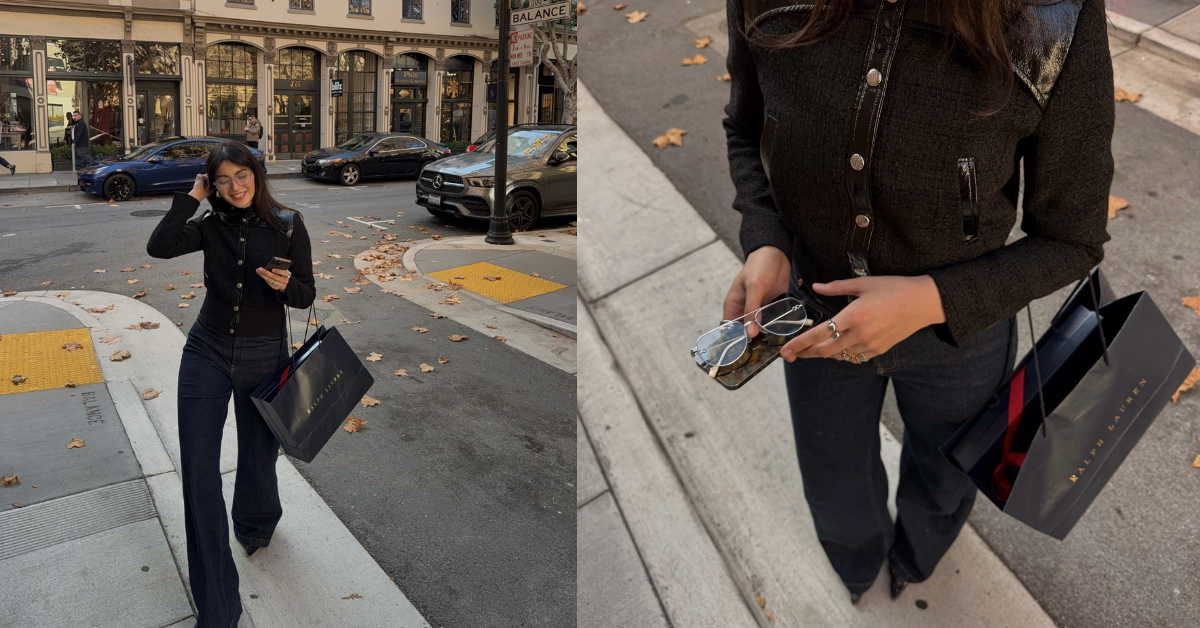
Outdoor events are sneaky. At 2 pm you feel like you could melt in direct sun, then at 8 pm you are shivering the second the breeze picks up. And because you are not “doing a hike,” people often dress for the photo instead of the conditions.
The trick is to stop thinking “warm outfit” vs “cool outfit” and start thinking portable climate control. You want a base that stays comfortable when you sweat, a layer you can add the moment the sun drops, and an outer option that blocks wind (and sometimes light drizzle) without turning you into a sauna.
I’m going to give you a simple framework you can repeat for festivals, outdoor weddings, sports games, markets, and concerts: what to wear, what to carry, what to skip, and the mistakes that make people miserable.
Quick answer for skimmers
- Start with a breathable base that handles sweat: lightweight synthetic or merino, or a breezy woven shirt for low-sweat days.
- Plan for sun and shade separately: sun protection is not the same as “hot weather clothes.” A wide-brim hat and UV-blocking sunglasses make a bigger difference than most people think.
- Bring one real warmth layer (not “a cute thin shirt”): a light fleece, sweater, or insulated vest you can put on fast when the temperature drops.
- Bring one wind layer: a lightweight shell, overshirt, or windbreaker. Wind makes the same temperature feel much colder.
- Choose fabrics that behave when damp. Cotton can be fine in pure heat, but it stays wet and cools you down fast when the air turns cold or windy.
- Use UPF like a cheat code if you burn easily or will be in sun all day. UPF 50 blocks about 98% of UV rays.
- Make layers easy to take off: half-zips, buttons, and pit zips help you vent without fully changing.
If you only do one thing: bring a packable wind layer. It fixes “sunset chill,” shade seats, and surprise gusts in one move.
The decision framework
Use this quick logic and you will almost always get it right:
If you will be in full sun for hours
- Prioritize coverage (UPF shirt, airy long sleeve, loose pants or long skirt) + hat + sunglasses.
- You can still stay cool if the fabric is light and the fit is relaxed.
If you will move between sun and shade (most events)
- Wear a breathable base.
- Carry one warmth layer (light fleece or sweater) and one wind layer (shell or windbreaker).
- You will use them at different times. Don’t try to make one piece do both jobs.
If the forecast says “mild” but the event runs into night
- Dress for the coldest hour you will still be outside, not the warmest hour you will post on Instagram.
- Wind is the multiplier that makes mild feel cold.
4 common mistakes (and fixes)
- You dress for the high temperature, not the swing.
Fix: assume a real drop after sunset and bring a layer you actually like wearing. - You choose cotton next to skin when there is any chance of cool wind or evening chill.
Fix: wear synthetic or merino as the base if the day includes cool hours or potential dampness. - You bring a “warm layer” that is too thin to matter.
Fix: pick one piece that noticeably changes your comfort in 5 minutes (fleece, insulated vest, chunky cardigan). - You forget sun protection is a clothing problem, not just sunscreen.
Fix: hat + sunglasses + coverage, especially if you will be in the same seat/spot for hours.
Step 1: Understand what each layer is supposed to do
This is the principle. Once you get this, the rest is just choosing your style version of each item.
Base layer (comfort + sweat control)
The base layer’s job is to move moisture away from your skin so you don’t get clammy, then chilled.
Good choices
- Lightweight synthetic tee/tank
- Merino tee (great for odor control on long days)
- Breezy woven button-down if you will not sweat much
Avoid
- Thick cotton tee if you know you’ll sweat and then sit in wind later. Cotton holds moisture and loses insulation when wet.
Mid layer (warmth you can add)
This is the layer you put on when shade hits or the sun drops. Think fleece, sweater, cardigan, hoodie, insulated vest.
Outer layer (wind + light weather)
Wind strips heat fast. That is why a thin windbreaker can feel more useful than a thicker sweater in the evening.
Also: “waterproof-breathable” still traps heat. Venting features like pit zips help you dump warmth when you need to.
Step 2: Sun, shade, and skin protection that actually works
You don’t need to dress like you’re going on safari. You just need strategic coverage.
Use UPF when sun is relentless
UPF tells you how much UV reaches your skin through a fabric. The Skin Cancer Foundation explains that UPF 50 blocks about 98% of UV rays.
If you see UPF claims, it helps when they are tied to established testing methods such as AATCC TM 183 (a commonly used method for measuring textile UV protection).
Clear trade-off (no perfect solution): the fabrics that block the most sun can sometimes feel warmer or less airy than your favorite thin tee. You are choosing between maximum UV blocking and maximum airflow, and you do not always get both.
Hat and sunglasses are not optional if you burn
The CDC recommends a hat with a brim all the way around to shade face, ears, and neck, and notes tightly woven fabrics work best.
The American Cancer Society adds that a wide brim (about 2 to 3 inches) is ideal for sun protection.
Sunglasses should block UVA and UVB.
Step 3: Temperature swings are mostly wind + sweat + sitting still
Here is what changes between “fine” and “freezing” at outdoor events:
- You stop moving (your body stops generating heat).
- A breeze starts (wind increases heat loss).
- Your shirt is slightly damp from earlier (wet clothing speeds heat loss).
This is why a wind layer is so powerful. It protects the warm air your mid layer is trying to hold onto.
Step 4: Build your go-to outfit formula
Pick one formula and reuse it. I usually tell people to stop chasing variety in the morning. One good default outfit does more than ten options.
The “Sun to Night” default (works for most outdoor events)
- Base: breathable tee/tank (synthetic or merino)
- Bottom: comfortable pants, jeans with stretch, maxi skirt, or shorts if it stays hot
- Warmth layer (carry): light fleece, cardigan, hoodie, or insulated vest
- Wind layer (carry): windbreaker, light shell, or overshirt
- Sun kit: hat + sunglasses
The “Hot Day, Cold Seat” stadium/concert formula
- Base: breathable top
- Mid: warmer layer you can wear sitting still (fleece or sweatshirt)
- Outer: wind layer (this matters most in open venues)
The “All-Day Sun” market/festival formula
- Base: UPF long sleeve or airy button-up over a tank
- Bottom: breathable long pants or flowy skirt
- Accessories: hat, sunglasses
- Carry: ultra-packable wind layer for evening
This won’t work if your venue has a strict dress code or a tiny bag policy that prevents you from carrying layers. In that case, you may need to wear your warm layer from the start and accept you’ll feel a bit hot mid-afternoon.
Routines: How to manage layers without feeling fussy
This is the application. It’s about timing and convenience, not fashion rules.
The 2-minute pre-event check
- What is the lowest temperature during the time I’m outside?
- Will I be in wind-exposed seating (field, waterfront, open hills)?
- Will I sweat at all (walking far, dancing, standing in crowds)?
- What is my carry plan (crossbody, tote, jacket tied at waist, locker)?
The “take it off before you sweat” rule
If you start to feel warm, vent early. Once you sweat, you are setting up the evening chill. Base layers are designed to help with this, but you still want to manage heat.
The “sunset switch”
When the sun drops, do this before you feel cold:
- Put on the warmth layer first.
- Add the wind layer if you feel a breeze or you’re sitting still.
Optional: the tiny comfort kit
This is optional. Skip it if you hate carrying extras.
- A small pack of tissues
- Blister bandaids if you’re wearing new shoes
- A hair tie or clip
- A mini sunscreen for exposed spots (face, hands, shoulders)
Options and variations by event type
If you already have a routine that works, you can skip this section and go straight to the FAQ.
1) Outdoor wedding or garden party
You want polish, but you still need function.
- Base: breathable dress or top + skirt
- Warmth layer: a real cardigan, wrap, or cropped jacket that covers shoulders
- Wind layer: if it’s an exposed venue, bring a lightweight trench or packable shell (choose a neutral color so it looks intentional)
Trade-off: formal shoes often lose to uneven grass. Sometimes you just have to pick between the look and stable footing.
2) Music festival
You will walk, sweat, and then stand still.
- Base: moisture-friendly top (synthetic/merino)
- Over layer for sun: airy button-up or UPF layer if you burn
- Warmth layer: light fleece or hoodie you can tie around your waist
- Wind layer: packable windbreaker
3) Outdoor sports game
You sit still more than you think.
- Base: breathable tee
- Mid: fleece or sweatshirt
- Outer: wind layer (especially in open stadiums)
- Extras: hat for sun early, beanie later if it gets cold
4) Farmers’ market or street fair
Usually daytime-only, but shade shifts constantly.
- Base: light tee or tank
- Sun layer: breathable long sleeve or light button-up
- Carry: thin wind layer (because you’ll linger longer than planned)
5) Beach or waterfront events
Wind + reflection can surprise you.
- Sun protection: hat and sunglasses matter more here
- Carry: wind layer, always
- Fabric note: choose something that dries fast if there’s spray or humidity
FAQ
What’s the simplest layering setup that still works?
Breathable base + one warmth layer + one wind layer. That’s the repeatable trio.
Is UPF clothing worth it, or is any long sleeve fine?
Any clothing helps, but UPF gives you a tested rating. UPF 50 blocks about 98% of UV rays, according to the Skin Cancer Foundation.
What hat is actually best for outdoor events?
A brim all the way around that shades face, ears, and neck.
Why do I get cold even when the temperature doesn’t seem that low?
Wind increases heat loss and makes it feel colder.
Is cotton always bad?
No. Cotton can be comfortable in steady heat. The problem is when it gets wet from sweat or damp air and you then face cool wind or evening temperatures, because it dries slowly and insulates poorly when wet.
Merino or synthetic for an all-day outdoor event?
If odor control matters (multi-day festival, travel), merino has an edge. Synthetics often dry fast and can feel cooler. Based on outdoor base-layer guidance and common material characteristics, both work, but choose based on your comfort and how sweaty the day will be.
Do I need a fully waterproof rain jacket?
Only if rain is likely. For “maybe drizzle,” a wind layer with a hood can be enough. Keep in mind that waterproof shells tend to vent poorly, so features like pit zips can help you avoid overheating.
How do I carry layers without being annoyed all day?
Pick one: tie the warmth layer around your waist, use a crossbody/tote, or choose a packable wind layer that compresses small. The best solution is the one you will actually stick with.
Just a little note - some of the links on here may be affiliate links, which means I might earn a small commission if you decide to shop through them (at no extra cost to you!). I only post content which I'm truly enthusiastic about and would suggest to others.
And as you know, I seriously love seeing your takes on the looks and ideas on here - that means the world to me! If you recreate something, please share it here in the comments or feel free to send me a pic. I'm always excited to meet y'all! ✨🤍
Xoxo Camille