
Outdoor events are sneaky. You can look perfectly dressed in the mirror, then spend the whole afternoon fighting your shoes: heels sinking into turf, gravel getting trapped in your sole, slick pavers turning every step into a tiny slip test.
The good news is you do not need a totally different wardrobe. You just need to match three things to the ground you’ll actually be standing on:
- Surface area (will you sink?)
- Traction pattern + rubber (will you slip?)
- Stability + comfort (will your feet quit halfway through?)
This guide is built for real life: weddings, garden parties, festivals, outdoor work functions, graduation ceremonies, vineyard dinners, and any “mostly outside, a bit of walking, lots of standing” day.
Quick answer for skimmers
- Grass: Choose wedge, platform, or a low block heel. Avoid thin stilettos unless you add a heel cap/grass stopper (it works by increasing contact area, lowering pressure). Pressure is force divided by area, so tiny heels sink.
- Gravel: Pick closed-toe shoes or boots with a defined outsole edge and shallow-to-medium lugs. Avoid delicate sandals and anything with a “smooth” sole.
- Pavement: Go for cushioning + stable base. A slightly thicker sole often feels better than a thin leather sole if you’ll stand a lot. Long standing is genuinely fatiguing on feet and legs.
- Wet anything: Look for rubber that grips when wet and an outsole pattern that can shed water. Softer rubber usually grips better (but wears faster).
- If your shoes have a hard leather sole: expect less grip on damp grass or smooth stone. That is not a moral failing, it is physics.
- If you’re wearing heels: keep them lower if you’ll walk or stand for hours. Higher heels increase pressure on the forefoot in studies.
- If you’re unsure: default to a dressy low block heel, smart loafer, or sleek ankle boot.
If you only do one thing: match the shoe to the softest surface you’ll touch (usually grass), not the hardest.
The decision framework that actually works
Step 1: Identify the “worst 10 minutes”
Most outdoor-event shoe problems happen in one of these moments:
- Walking across a lawn to seats
- Standing on grass for photos or drinks
- Crossing a gravel path or parking area
- Moving between patio stones and indoor flooring
- Waiting in line on pavement for 20+ minutes
Pick shoes for that worst stretch, not for the 30 seconds you’ll be sitting.
Step 2: Choose your stability level (be honest)
- High stability: flat to low heel, wide base, secure upper (loafer, sneaker, boot, low block heel)
- Medium stability: wedge, platform, mid block heel
- Low stability: stilettos, narrow high heels, backless slides
This won’t work if you already know you roll your ankles easily. If that’s you, skip anything narrow or tall, even if it’s “only for a couple hours”.
Step 3: Match the shoe to the ground
Grass
- Needs: surface area, stability, something that will not spear the lawn
- Best: wedge, platform, low block heel, dressy sneaker, flat with tread
- Risky: thin heels, smooth leather soles
Gravel
- Needs: coverage + outsole that can handle loose stones
- Best: ankle boots, loafers with tread, chunky sandals with closed-ish toe box (if you must)
- Risky: strappy sandals, thin soles, open backs
Pavement
- Needs: cushioning, support, slip resistance on smooth concrete or pavers
- Best: supportive flats, dress sneakers, block heels, boots with cushioning
- Risky: ultra-thin soles, very hard soles, high heels for long standing
Step 4: Use the “3 checks” before you buy (or before you leave)
Check #1: The heel test
- Is the heel wider than a pencil?
- Is it under about 2-3 inches if you’ll stand a lot? Higher heels shift more pressure into the forefoot in research.
Check #2: The sole test
- Flip the shoe over. Do you see:
- texture, grooves, lugs, or pattern (good), or
- a smooth flat surface (slippy on damp grass/pavers)
Check #3: The upper test
- Can you walk fast without gripping with your toes?
- Does it stay on your heel without you clenching?
If you fail the upper test, your feet will get tired even if the sole is perfect.
Deep dive: what actually works on grass
Why heels sink (and why “chunky” helps)
Soft ground fails when pressure is too concentrated. Pressure is force divided by area, so a tiny heel tip puts a lot of pressure into a small point and sinks.
That’s why these usually behave well on lawns:
- Wedges (maximum contact)
- Platforms (more surface area under the forefoot too)
- Low block heels (wider base)
And why these usually behave badly:
- Stilettos
- Kitten heels with a narrow tip
- Anything with a tapered heel point
Practical fix: heel caps or “grass stoppers” increase the heel’s contact area, which reduces sinking.
This is optional. Skip it if you’re already in wedges or flats.
Traction on grass: pattern matters more than “grip” marketing
Grass gets slick when damp, and it often sits over hard soil. You want an outsole that can:
- bite a little, and
- shed moisture instead of becoming a smooth skate
A simple rule: some texture beats no texture. Deep aggressive lugs are not required for a backyard wedding, but a totally smooth sole is asking for little slips.
Also worth knowing: softer rubber tends to grip better on wet surfaces, but it can wear faster.
That’s a real trade-off, and there isn’t a perfect workaround. If you want max grip, you usually give up some durability.
Best grass shoe “profiles”
- Low block heel sandal (secure straps, not backless)
- Espadrille wedge (surprisingly stable on lawn)
- Platform sandal (wide base, easy walking)
- Dressy sneaker (if the event vibe allows)
Deep dive: what actually works on gravel
Gravel is different because it is unstable underfoot and loves to:
- roll under a flat sole,
- get stuck in deep grooves,
- sneak under open toes and make you miserable.
What you want on gravel
1) A stable outsole edge
Shoes with a defined, slightly wider base (even subtle) feel less wobbly than thin, delicate soles.
2) A pattern that’s not too deep
- Too smooth: you slide on compacted gravel.
- Too deep: you collect rocks in the lugs.
Shallow-to-medium texture is usually the sweet spot for “event gravel”.
3) Some coverage
This is where open toes can be annoying. One small stone under your foot can ruin your mood.
Gravel-friendly choices that still look “event-appropriate”
- Sleek ankle boots (especially for fall events)
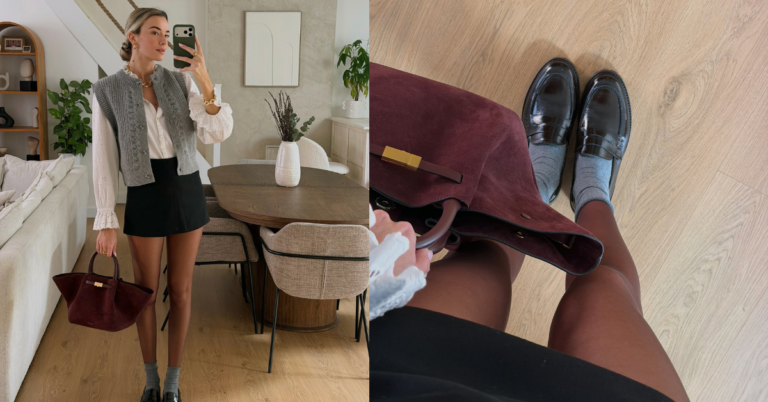
- Loafers with tread
- Closed-toe flats with a patterned rubber sole
- Low block heels with a wide heel and secure upper
Gravel mistakes people make (and regret)
- Backless slides: you’ll grip with your toes to keep them on.
- Very thin soles: you feel every stone.
- Delicate strappy sandals: gravel gets everywhere, and straps twist.
- Brand-new stiff shoes: gravel walking exposes hot spots fast.
Deep dive: what actually works on pavement and pavers
Pavement seems easy until you realize most outdoor events include a lot of standing still. Prolonged standing is linked with fatigue and discomfort, and footwear is one of the easiest variables you can control.
What pavement asks from your shoe
- Cushioning (especially under the ball of the foot and heel)
- A stable base (less wobble on uneven pavers)
- Slip resistance on smooth stone, polished concrete, and transitions indoors
If you’re choosing heels for a pavement-heavy event: research consistently shows higher heel heights increase forefoot pressure during walking.
That doesn’t mean “never wear heels”. It means: if you’ll stand and walk a lot, lower and wider usually feels better.
A quick note on “slip resistant” claims
There are lab methods that measure coefficient of friction for footwear on different surfaces under controlled conditions (for example, ASTM F2913 and SATRA TM144).
Brands do not always publish results, but knowing these standards exist can help you interpret vague marketing.
The most common outdoor-event shoe mistakes (and how to fix them)
- Choosing shoes for photos, not for walking
Fix: choose for the worst 10 minutes (lawn crossing, gravel path). - Underestimating “standing time”
Fix: prioritize cushioning and stability. Long standing is hard on the body. - Thinking “any heel is fine if it’s short”
Fix: heel width matters. A short narrow heel still sinks into grass. - Wearing smooth soles on damp surfaces
Fix: pick texture, or add traction pads if needed. - Bringing no backup plan
Fix: a foldable flat or packable sneaker in the car can save the day.
If your mornings are unpredictable, some of this prep simply won’t stick and that’s fine. The goal isn’t perfection, it’s fewer bad steps.
“What should I wear?” options by event type
Best for outdoor weddings (grass + patio)
- Espadrille wedges
- Low block heels
- Platforms with secure straps
- Dressy flats with tread
Best for garden parties and vineyard events (mixed terrain)
- Low heeled sandals with a wide heel
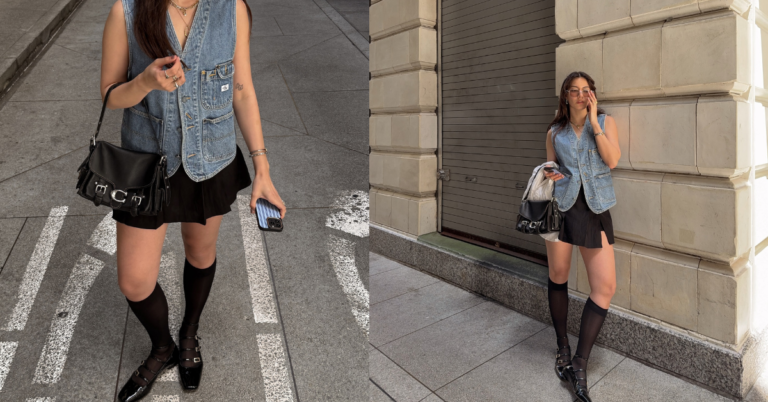
- Loafers or mary janes with a patterned sole
- Sleek ankle boots (cooler seasons)
Best for festivals and outdoor concerts (gravel + lots of standing)
- Supportive sneakers (clean, minimal)
- Chelsea-style boots
- Trail-inspired sneakers with subtle lugs (not aggressive)
Best for corporate outdoor functions (smart-casual)
- Loafers
- Low block heel pumps (not thin heels)
- Minimal leather sneakers (if acceptable)
Best for “I want height but I refuse to suffer”
- Wedges
- Platforms
- Chunky heel sandals with a stable base
Here’s my slightly bossy take: I usually tell people to stop chasing variety for outdoor events. One solid default pair you trust does more for your day than five “maybe” options.
Mini packing checklist (so you don’t get stuck)
- Blister patches or tape
- A pair of no-show socks (even if you’re wearing loafers)
- Heel caps/grass stoppers if you’re wearing thin heels
- Tiny foldable flats or backup shoes (car or bag)
- A band-aid and a painkiller you tolerate (if you use them)
FAQ
What heel height is safest for outdoor events?
Lower is generally easier, especially if you’ll stand and walk a lot. Higher heels increase pressure on the forefoot in studies.
A wide, low-to-mid block heel is usually the most forgiving “dressy” choice.
Do wedges really work better than block heels on grass?
Often yes, because wedges spread your weight across more area, which reduces sinking.
But wedges can feel clunky if the ground is uneven, so try walking on a slope if you can.
Do heel protectors actually stop sinking?
They can help by increasing the surface area at the heel tip, which reduces pressure on soft ground.
They’re not magic on very muddy ground, but they usually improve stability on normal lawns.
What’s the best shoe for gravel if I still want to look dressed up?
A sleek ankle boot or a loafer with tread is the easiest “looks polished, handles gravel” combo. If it’s hot, choose a closed-toe flat with a textured rubber sole.
Are smooth leather soles always a bad idea outside?
Not always, but they are less forgiving on damp grass and smooth stone. If it rained recently, I’d avoid them unless you know the venue is mostly dry pavement.
How do I know if a shoe will be slippery?
Look at the outsole. If it’s nearly smooth, it’s more likely to slip on damp surfaces. Textured rubber tends to do better, and lab methods exist to measure slip performance under controlled conditions.
What if the event is on grass and pavement?
Choose for grass first. A shoe that works on grass usually works on pavement. The reverse is not always true.
What if I really want to wear stilettos?
Then treat it like a costume choice with safety accessories: add heel caps/grass stoppers, limit walking, and bring a backup pair.
Just a little note - some of the links on here may be affiliate links, which means I might earn a small commission if you decide to shop through them (at no extra cost to you!). I only post content which I'm truly enthusiastic about and would suggest to others.
And as you know, I seriously love seeing your takes on the looks and ideas on here - that means the world to me! If you recreate something, please share it here in the comments or feel free to send me a pic. I'm always excited to meet y'all! ✨🤍
Xoxo Camille