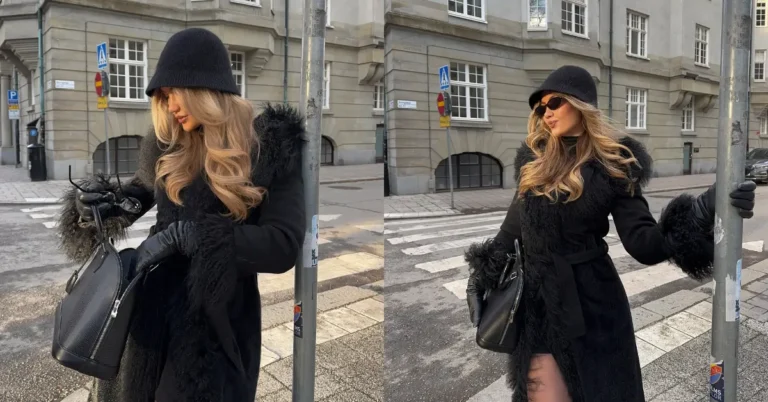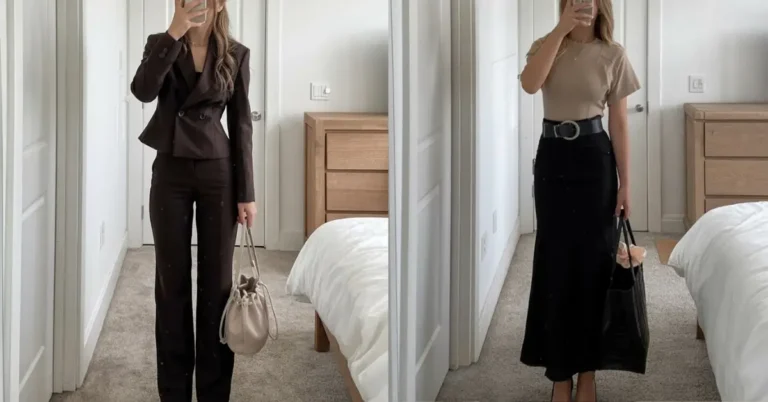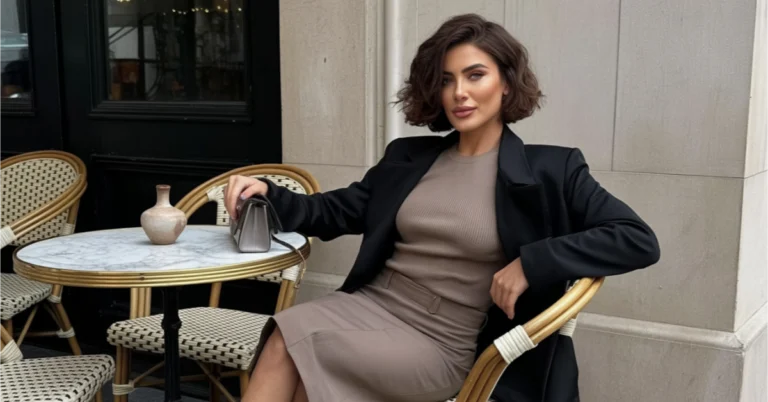

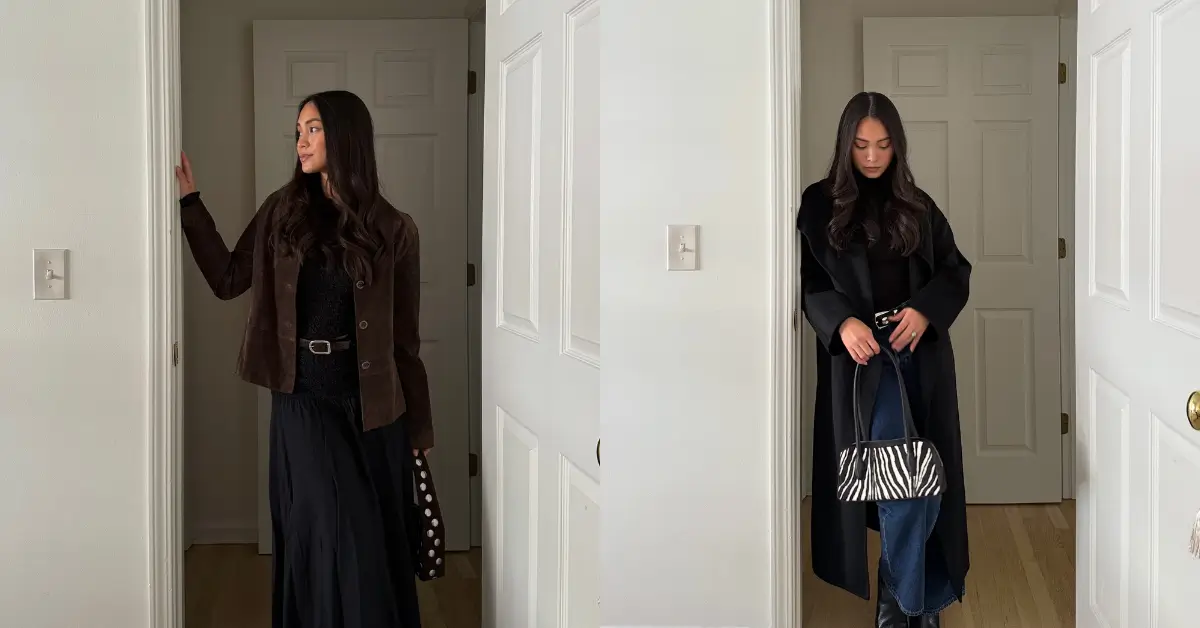
A signature uniform makes getting dressed easier because it removes daily decision fatigue while still letting you look consistent and put together. If you’ve ever felt like you own clothes but never know what to wear, a uniform solves that problem by turning your style into a repeatable formula. Many people assume a uniform sounds boring or restrictive, but it actually gives you more freedom because you stop second-guessing every outfit.
This article shows you how to build a signature uniform that fits your life and your taste. You’ll learn how to choose your core pieces, pick a color palette that makes mixing easy, and create a few outfit variations that work for different settings.
I’ll also cover common mistakes, like picking a uniform that doesn’t match your lifestyle or choosing pieces that don’t layer well. By the end, you’ll have a clear, practical method for creating outfits that feel effortless, flattering, and consistently you.
What I Mean by “Uniform” (And Why It Matters)
When I say uniform, I don’t mean what you traditionally think – like school uniforms or work requirements that are repetitive, bland, and lacking personality. That’s definitely not what I mean at all. When I say signature uniform, I mean you rewear certain pieces that can be characterized by you. When people see specific clothing, they instantly think, “Oh, that really reminds me of that person.”
Think about how tweed blazers remind you of Chanel. Everyone has a personal brand, whether they like admitting it or not. Building your signature uniform is just the physical embodiment of your personal brand.
So many successful people throughout history – think Steve Jobs (obviously we don’t want to dress exactly like him, but he wore black turtlenecks, dark wash jeans, and New Balances constantly). Think Princess Diana, who wore blazers and jeans but mixed in casual athleisure elements. She did that whole quiet luxury athleisure trend before social media existed – those collegiate jumpers, cycling shorts, and trainers.
One reason successful people do this? Decision fatigue. When you’re so successful or have so many things on your mind, the last thing you want is thinking about what to wear today. If you already have a signature uniform you can return to, it saves mental space and saves you financially.
Building Your Personal Brand Through Consistency
Building your personal brand is about consistency and recognizability. Those two things are necessary, and you can only cultivate them by rewearing and being a chronic outfit repeater. We often think repeating outfits is kind of embarrassing – sometimes I think “oh, I’ve already worn that outfit” or “I’ve already taken a picture in that.”
But then you have to stop and think: if I’m rewearing the same outfits, it solidifies who I am and ultimately builds a stronger personal brand, making me more instantly recognizable. I don’t need a new outfit for every single thing. That idea is kind of outdated.
I almost feel that’s the middle class trying to emulate rich people, but how rich people actually behave is very different. A lot of rich people don’t even appear rich on the surface. Trying to have a new outfit for every single occasion is something we need to get rid of desperately because number one, it’s not good for our bank accounts, and number two, it’s probably not very good for our mental health.
I remember when I was younger hopping on all these trends – guys, I had so many weird phases like a streetwear phase, an American preppy phase. I hopped on all the different internet trends and it just obviously didn’t give me the sense of belonging I thought it would each time. What really worked for me is me wearing the pieces, not the pieces wearing me.
In this age of micro-trends, it’s so easy to buy into a whole new subculture or aesthetic. The strongest thing we can do is completely reject this and stick to our own style.
How to Build Your Frugal Chic Uniform
Step 1: Identify Your Lifestyle
The issue with most people who overspend – I used to be a shopaholic – is buying for your dream self. This is how marketers play on our minds, playing on our emotions and desires to be different than what we are now. I was often building a wardrobe for my dream self. I’d invest in loads of fancy gymwear from Lululemon or Alo Yoga even though I wouldn’t really use them that much.
It’s buying into an aesthetic of an LA influencer in leggings instead of actually embodying that first. It’s so easy to look on social media and think buying this thing will make me become that person – that influencer or celebrity promoting it. But instead, think realistically: what is your lifestyle?
If you’re freelance, self-employed, or don’t go into the office every day, maybe some of your wardrobe could be slightly more casual – things you’ll actually wear like fleeces, leggings, or comfy trousers that could also be worn out.
Invest in things you’re going to use every single day – invest in your actual self rather than your dream self. On the flip side, if you’re very corporate and have to wear formal wear, that can be super expensive. Really research materials and what to actually invest in. From my experience, it’s worth investing in natural fibers.
For tailored trousers, make sure they have natural fibers blended in like wool for winter. Knitwear is something to really invest in. But 90% of my wardrobe is secondhand, built over time through Depop and vintage.
Step 2: Define Your Style DNA
Pick three style inspirations you want to start off emulating. I’m not saying blatantly copy people, but there’s definitely something in getting inspiration from specific people – influencers, celebrities, or even people in your day-to-day life with similar body types. Mine are probably Kaia Gerber, Zoë Kravitz, and Caroline Bessette-Kennedy.
They all wear quite basic outfits and because they’re famous, they wear the clothes – the clothes don’t wear them. The reason I say three is because if you pick one person, copying their outfits could just look like you’re copying that person. But taking inspiration from three different people amalgamated into one creates its own personal style.
Then pick three words that define who you want to be – not necessarily your style now because we’re building signature uniforms. These things could completely juxtapose each other. If I wanted to be a bit boho, but also corporate, but also a bit rock chick vibes, there are brands that do this.
The frugal chic aesthetic, if it has one, would probably be ’90s minimalism, a bit of boho, model off-duty. But pick three words that define your style. Something like boho, clean girl, and sporty can coexist. The best style is when people can mix so many different aesthetics.
Step 3: The Shredding Phase
Declutter what you don’t need. Don’t buy – actually start subtracting. By doing this, you’re figuring out what you value and use first instead of going out to buy things you want. This is a really important exercise because it makes you realize all that clutter and all those unworn clothes used to be money. By giving them away, it can feel tough, but I encourage you to sell stuff on vintage platforms or dispose of things responsibly.
Doing this makes you think: I could have used that money in so many different ways. That reflection or regret can lead to better actions in the future. If you just leave your wardrobe as is and start shopping, you’ll get into the same cycles again.
Step 4: Document What You Actually Wear
Start taking more outfit pictures – not for social media, for yourself. Take mirror selfies every day if you can remember, or do it consistently over a month and notice the pieces you actually wear. What makes you feel good? Were you complimented that day? What made you feel the most confident and like you?
When you document these things, you start noticing trends – wearing straight-leg jeans or oversized tops. That feels like me. By documenting, it’s so much easier to identify your personal style. Yes, you can take all the inspiration you want from Pinterest, but you have to see it on yourself first.
Step 5: Curate With Intention
Mood boards and visual boards are really helpful. Open a Canva and put in your fashion inspirations, your three people, the words we broke down, and any inspiration you find. This doesn’t have to be just fashion. The whole point of frugal chic is having interests outside of consumption.
Watch more foreign films, read more books because you’re going to put films, books, your interests on this mood board. Why? Because taste and style transcend just fashion. Fashion is an incorporation of so many different things. The way you dress could be inspired by your favorite movie character. With your mood board, don’t just make it outfits – make it lifestyle. It should be aspirational.
In this phase, you’re experimenting. I would never judge someone for over-consuming in this phase. Whether you get stuff from charity shops, vintage, or wherever – even if you have to get a few fast fashion pieces – in this phase, you’re building up a collection by experimenting so that in the future you can consume less.
Even though it may not seem very intentional to buy a lot at the start, this is the only way to identify your personal style. The most responsible way to do this is getting things secondhand.
My Most-Worn Pieces
My favorite jackets I rewear constantly: an oversized blazer (blazers instantly give girl boss corporate vibes, smartening up even jeans), a Bash Gasbard cardigan (softer look, very classic, Chanel tweedy vibes), a Burberry trench coat I got on Depop for £120 (buying new would be around £1,000 – definitely saved here), and my Barbour Clifton wax jacket in olive green (classic British essential leaning into that barn jacket trend but more classic). For basics, I like Brandy Melville because they use natural fibers. For jeans, I wear Levi’s high-rise ribcage jeans.
For accessories, my current favorite shoes are GH Bass Weejun Penny Loafers – the only loafers I’ve found incredibly comfortable after trying Doc Martens, Mango, and others. My other most-worn accessory is Chimi sunglasses (tortoiseshell always looks softer on the face than black).
Coming into autumn/winter, I think it’s great having one cashmere scarf – mine’s from Johnstons of Elgin, 100% cashmere made in Scotland, a birthday gift from three or four years ago. Investing in one nice cashmere scarf is worth it.
How to Build a Signature Uniform That Makes Getting Dressed Easy
A signature uniform is not boring. It is a repeatable outfit formula that always feels like you. You stop wasting mental energy, you buy fewer random pieces, and you look consistent in the best way.
Start by choosing your “core silhouette.” Pick one of these:
-
Straight jeans or tailored trousers + fitted top + blazer
-
Midi skirt + tucked tee + short jacket
-
Simple dress + layer + clean shoes
Then choose your “style anchors”:
-
Two neutral colors you always wear
-
One shoe style you love and can walk in
-
One accessory you repeat, like gold hoops or a structured bag
Common mistakes:
-
You pick a uniform that does not match your real life. If you hate blazers, do not make blazers your uniform.
-
You choose too many colors. Uniforms work because they mix easily.
-
You do not buy enough basics. You need multiples of your favorite tee, pant, or knit.
A fast uniform test: if you can build five outfits from your closet in five minutes, you have a uniform. If you cannot, you need more repeatable basics.
Just a little note - some of the links on here may be affiliate links, which means I might earn a small commission if you decide to shop through them (at no extra cost to you!). I only post content which I'm truly enthusiastic about and would suggest to others.
And as you know, I seriously love seeing your takes on the looks and ideas on here - that means the world to me! If you recreate something, please share it here in the comments or feel free to send me a pic. I'm always excited to meet y'all! ✨🤍
Xoxo Camille