
Museum outfits have a weird job. They need to look put-together (because you’re surrounded by beautiful things and you might end up in photos), but they also need to function like an all-day walking outfit. You’ll stand more than you expect, shuffle through security, deal with coat checks, and bounce between “warm lobby” and “icy gallery” in the same hour.
The easiest way to get this right is to stop thinking of it as “a cute outfit” and think of it as polished walking clothes. You want comfortable shoes, layers that can handle strong air conditioning, and a bag that won’t get you pulled aside at the door. Then you add one style element that makes it feel intentional.
Below is a simple framework you can reuse for everything from a casual museum afternoon to a gallery opening.
Quick answer for skimmers
- Choose shoes first: supportive, already broken-in, and easy to walk in for hours. (Podiatry guidance often emphasizes stability and cushioning for walking shoes.)
- Use a 3-piece outfit formula: comfortable base + “polish layer” (blazer/cardigan) + optional outer layer for weather.
- Expect temperature swings indoors: many galleries feel cooler than outside, even in summer.
- Keep bags small and close to your body. Many museums restrict large bags and screen items at entry.
- Avoid fussy pieces that need constant adjusting: slippery straps, stiff waistbands, delicate shoes.
- Plan for stairs and long loops: you want outfits you can move in without thinking.
- If you want to look “artsy,” do it with one interesting element: color, texture, or a statement accessory (not five).
If you only do one thing: wear shoes you could comfortably walk in all day, then build the outfit upward.
The decision framework
If you want to look quietly elevated (works for almost any museum)
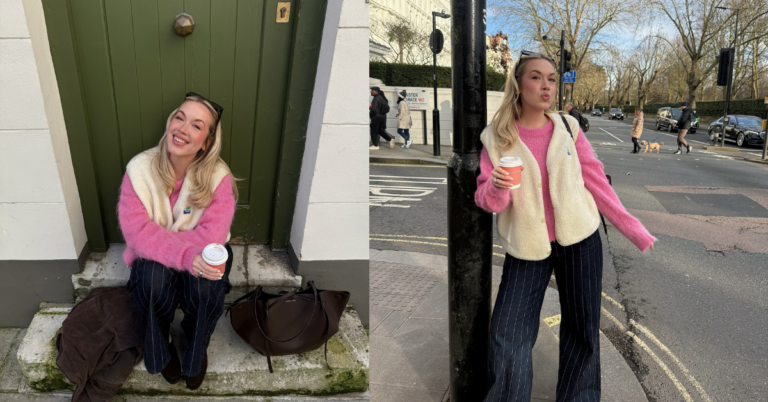
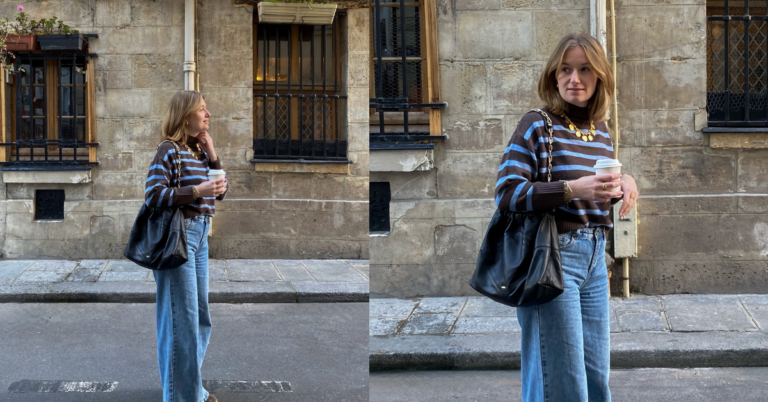
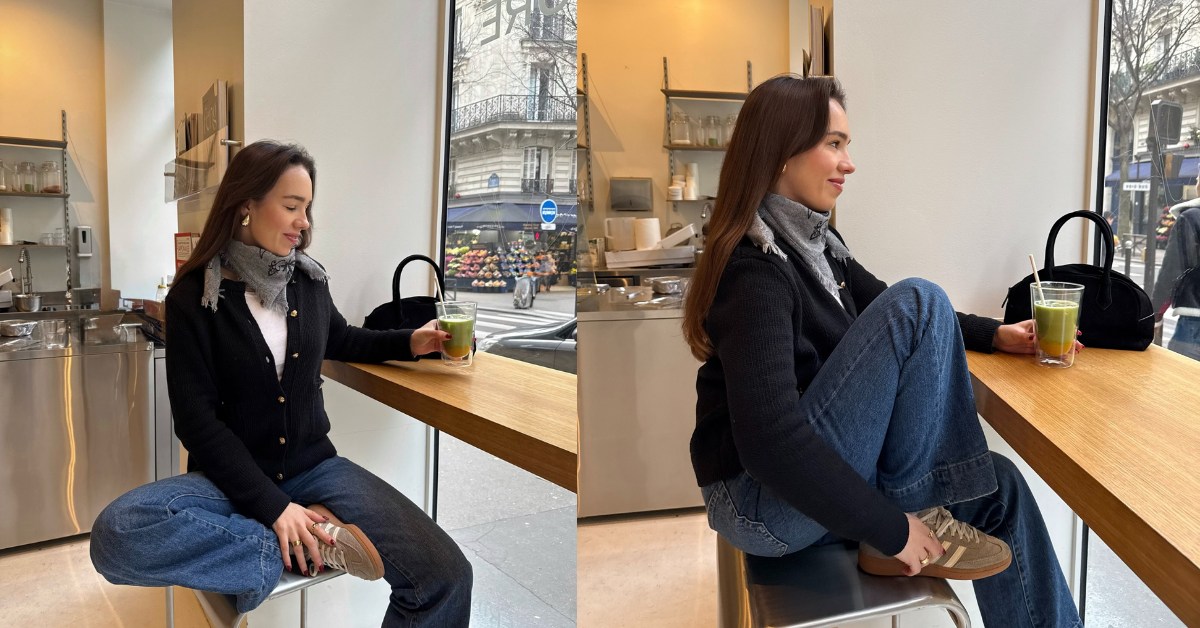
Go with: straight-leg jeans or trousers + simple top + blazer/cardigan + clean sneakers or loafers.
If you want “gallery chic” without trying too hard
Go with: monochrome base (all black, all cream, all navy) + one texture piece (leather belt, satin skirt, chunky knit).
If you’re doing a full-day museum itinerary
Go with: breathable base + stretch bottoms + lightweight layer you can carry + very comfortable shoes.
If you’re going to an opening or evening exhibition
Go with: the same comfortable base, but swap in a sharper layer (structured jacket, nicer bag, better jewelry).
I usually tell people to stop overcomplicating museum outfits. One good “default uniform” beats five outfits you’ll be tugging at all day.
The museum realities people forget
1) Bags can be a problem
Many museums check bags and restrict larger ones. For example, The Museum of Modern Art lists size-based restrictions for objects and bags, and The Metropolitan Museum of Art notes small backpacks may need to be carried in hand or worn in front.
Some museums explicitly say suitcases and large bags are not allowed, like Louvre Museum.
In the UK, Tate Modern notes that bags are checked on arrival and reserves the right to refuse items.
And some museums publish exact size limits, like Guggenheim Museum Bilbao (35 cm x 35 cm for belongings in galleries).
What this means for your outfit: a huge tote or floppy backpack can be annoying all day. A small crossbody or compact shoulder bag is usually easier.
This won’t work if you’re arriving straight from the airport with luggage. In that case, plan on off-site storage or a cloakroom, because some venues simply will not allow large items in.
2) You will walk more than you think
Museums are basically slow walking tours with occasional staircases and long standing breaks. If your shoes are “fine for dinner,” they can still be awful on museum floors. Walking-shoe guidance often stresses stability and cushioning for smoother, lower-stress steps.
3) Comfort reads stylish when you’re not distracted
Nothing ruins your “effortless outfit” faster than yanking a strap up every five minutes or tiptoeing to protect your feet. The goal is calm confidence.
The go-to outfit formula (works 80% of the time)
The “polished museum uniform”
- Shoes: clean sneakers, loafers, or low boots you’ve already worn for long days
- Bottom: straight-leg jeans, tailored trousers, or a midi skirt with movement
- Top: simple tee, knit, or button-down
- Polish layer: blazer, cardigan, or a light jacket
- Bag: small crossbody or compact shoulder bag
- Extras: sunglasses for the walk there, hair clip/tie, lip balm
This is the outfit that looks good in photos and still lets you enjoy the day.
One honest trade-off (no perfect solution): loafers look very “museum chic,” but if you have narrow heels or they rub, they can betray you halfway through the second gallery. Some people just do better in sneakers. No shame.
Choose the right shoes (without defaulting to gym sneakers)
You don’t need hiking shoes, but you do want the basics:
- Stable side-to-side
- Cushioning that doesn’t feel like cardboard
- A secure heel
- Enough room in the toe box
Those are common points in walking shoe guidance.
Stylish shoe options that still function
- Clean leather or minimalist sneakers (the easiest “tourist-proof but not touristy” choice)
- Loafers (great if they fit perfectly and you’re used to them)
- Low-profile ankle boots (best on colder days, or when you want a sharper silhouette)
- Supportive sandals (only if it’s hot and you’re confident you won’t get sore, and the museum isn’t overly strict)
If you want brand examples, travel editors routinely compile lists of comfortable walking shoes that look decent with real outfits.
Tip that actually helps: bring blister bandages if you’re even slightly unsure about your shoes. You don’t want to be shopping for bandages in the gift shop.
Layers: what matters inside museums
Museums can feel cool even when it’s hot outside, so I like “light layers” more than “warm outfits.”
The best layering pieces for museums
- Blazer (instant polish, easy to remove and carry)
- Cardigan (soft, cozy, and doesn’t look like athletic wear)
- Light trench or coat (ideal if you’re walking around a city all day)
- Thin knit (warms you up without bulk)
What to avoid: heavy coats you’ll hate carrying, or anything too precious to sit in.
This is optional. Skip it if you know the museum has a reliable coat check and you’re not walking much outside.
Outfit ideas by vibe
1) Minimal and modern
- Black trousers + white tee + long coat
- Sneakers or loafers
- Small structured bag
Why it works: clean lines match gallery spaces and you look intentional without trying hard.
2) Classic “smart casual”
- Straight-leg jeans + knit top
- Blazer or cardigan
- Sneakers
This is the “I could be anywhere in the world today” outfit.
3) Soft and feminine (without being fussy)
- Midi skirt + fitted tee or knit tank
- Cardigan
- Sneakers or low boots
Pro tip: choose a skirt fabric that doesn’t cling or wrinkle easily.
4) Artsy but grown-up
- Wide-leg trousers + simple tank
- One interesting layer: a textured jacket, a bold scarf, or statement earrings
- Comfortable shoes
The key is one interesting piece, not a whole themed look.
5) Warm-weather museum day
- Linen trousers or a breathable midi dress
- Lightweight layer for AC
- Sneakers or supportive sandals
- Sunglasses
(If it’s a popular museum, expect security lines and bag checks, so keep it simple.)
What to wear for gallery openings and evening exhibitions
Think “a little sharper than daytime,” but still functional. You’ll often stand, mingle, and walk between spaces.
Try:
- Black jeans or tailored trousers + sleek top + blazer
- Midi dress + low boots + light coat
- Monochrome outfit + standout jewelry
A clean outfit with one strong detail looks confident. Over-accessorizing is where “trying too hard” sneaks in.
Mini checklist before you leave
- Can I walk and stand in these shoes for hours?
- Does my bag look small enough for security and galleries?
- Do I have one light layer for cool rooms?
- Can I sit down in this without adjusting anything?
- If I end up in photos, does this feel like me?
FAQ
Are sneakers OK for museums?
Yes, and often the smartest choice, as long as they’re clean and not gym-loud. Museum days are walking days.
Do museums have dress codes?
Most don’t have a formal dress code for general visitors, but they do have rules around safety, security screening, and what you can bring in. Bags and large items are the most common friction point.
What bag is best?
A small crossbody or compact shoulder bag that sits close to your body. Big totes and large backpacks are more likely to be restricted or annoying.
What should I wear if I’m visiting multiple museums in one day?
Prioritize shoes, then build a repeatable base: breathable top + stretch bottoms + a light layer. Add polish with a blazer or nicer bag.
Can I wear a dress to a museum?
Absolutely. Add bike shorts underneath if you like sitting on benches or you don’t want to think about movement all day.
What should I avoid?
- New shoes
- Heavy outerwear you’ll hate carrying
- Oversized bags
- Anything that wrinkles, rides up, or needs constant fixing
Just a little note - some of the links on here may be affiliate links, which means I might earn a small commission if you decide to shop through them (at no extra cost to you!). I only post content which I'm truly enthusiastic about and would suggest to others.
And as you know, I seriously love seeing your takes on the looks and ideas on here - that means the world to me! If you recreate something, please share it here in the comments or feel free to send me a pic. I'm always excited to meet y'all! ✨🤍
Xoxo Camille