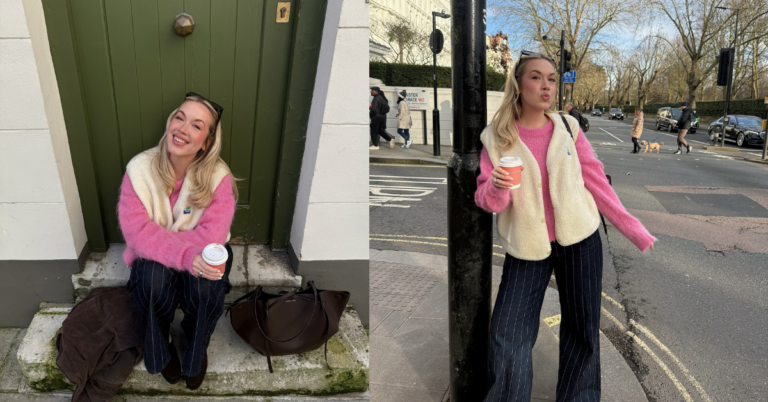

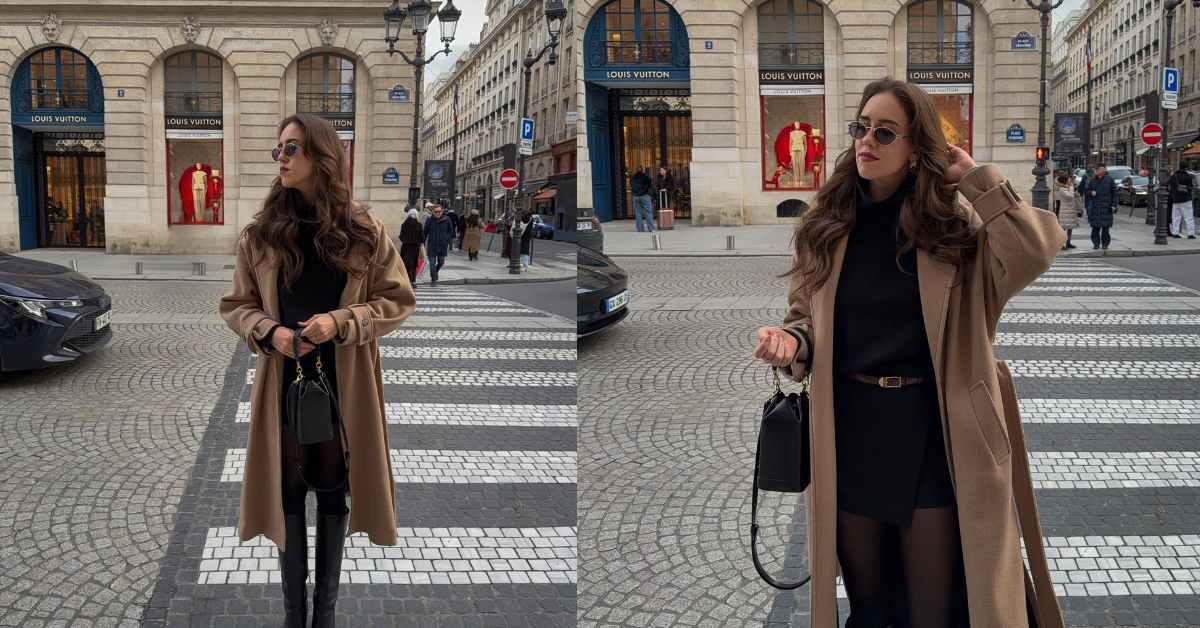
School performance nights sit in a weird in-between space. They’re not as formal as a gala, but they’re also not a errands-and-sneakers situation, because you’re going to be sitting close to other families, taking photos, and sometimes walking onstage for flowers or awards.
The easiest way to get it right is to dress for three realities that apply to almost every school event:
- You’ll be sitting under unpredictable temperatures (auditoriums can be chilly, gyms can be stuffy).
- You’ll be in photos (often under harsh lighting).
- You’ll be moving more than you think (parking, stairs, squeezing past knees in rows, quick hugs with performers).
Below are outfit “formulas” that work whether you’re a parent, guest, teacher, or student, plus a few “what not to do” landmines that people learn the hard way.
Quick answer for skimmers
- Aim for smart casual unless the invite says otherwise.
- Think polished, comfortable, photo-friendly: neat layers, clean shoes, minimal noise.
- Avoid anything that distracts: loud logos, noisy jewelry, squeaky shoes, super strong perfume.
- Dress for the venue: auditorium = bring a layer, gym/cafeteria = breathable.
- If you’re unsure, choose: dark jeans or trousers + a nicer top + a blazer/cardigan.
- If you’re the performer, follow the director’s dress code exactly. If there isn’t one, default to: simple, neat, non-distracting.
If you only do one thing: wear something you can sit in comfortably for 90 minutes and still feel good walking into the lobby for photos afterward.
Step 1: Match the event “level”
Use this quick framework:
Level A: Casual school night
Examples: elementary play, casual talent show, open mic
Wear: neat jeans or casual trousers + a nicer top + flats/sneakers that look clean.
Level B: Standard performance night
Examples: band or orchestra concert, choir performance, dance recital, theater show
Wear: business casual-ish. Dresses, skirts, trousers, dark denim, and a structured layer all work.
Level C: More formal performance
Examples: awards night, big seasonal concert, ticketed evening performance with older students
Wear: dress or jumpsuit, or trousers with a blouse and blazer. Doesn’t need to be black tie, just intentional.
If the invite says “dressy casual” or “business casual,” treat that as Level B.
Step 2: Dress for photos (without looking like you’re trying too hard)
School lighting can be unforgiving. A few easy wins:
- Choose mid-to-deeper tones (navy, charcoal, olive, burgundy) or soft solids. They photograph well and feel elevated without screaming “formal.”
- Avoid tiny high-contrast patterns (some can look weird on camera).
- Skip super shiny fabrics unless you love the look. Shine can read “sweaty” under stage lighting.
This is optional. Skip it if you truly don’t care about photos. Plenty of people don’t, and it’s fine.
Step 3: Dress for the seat you’re going to sit in
This is the part people forget.
- You’ll be sitting for a while, often in tight rows.
- You may need to stand up to let people pass.
- In some venues, chairs are hard and the room runs cold.
Good choices:
- Slightly stretchy trousers
- Dresses that don’t ride up when you sit
- Layers you can remove quietly
Not-great choices:
- Very short skirts (you’ll spend the night tugging)
- Anything that makes noise every time you shift (stiff taffeta, jangly jewelry)
- Shoes you can’t walk in on stairs
Outfit formulas that work almost every time
1) The “Parent/Guest Default” (works for most events)
- Dark jeans or tailored trousers
- Knit top or blouse
- Blazer, cardigan, or structured jacket
- Flats, loafers, clean sneakers, or low ankle boots
Why it works: it reads polished, but you won’t feel overdressed in a school hallway.
Small upgrade: add one “intentional” piece, like a nice belt, earrings, or a scarf.
2) The easy dress formula
- Midi dress or knee-length dress
- Low boots or flats
- Light jacket or cardigan
Why it works: one piece looks put together in photos with almost no effort.
Trade-off (no solution, just reality): if you’re in a hot gym, a lined dress can feel too warm. That’s when trousers and a breathable top win.
3) The modern “smart casual” set
- Wide-leg trousers or a midi skirt
- Fitted knit top
- Lightweight layer (blazer, cropped jacket)
Why it works: comfortable for sitting, looks elevated, and doesn’t feel like office-wear.
4) The “teacher or staff” look
- Trousers or dark jeans
- Simple top
- Blazer or cardigan
- Comfortable closed-toe shoes
Why it works: professional enough to be seen by families, comfortable enough to help backstage if needed.
What to wear if you’re the performer (or parent of a performer)
This part depends heavily on rules. If there’s a dress code, follow it exactly.
If there’s no clear guidance
Default to performance-friendly basics:
- Solid colors (often black is requested)
- No distracting patterns or big logos
- Comfortable shoes that match the outfit and the stage needs
If you’re in:
- Choir or orchestra: often black-and-white or all-black is common.
- Dance recital: costume provided, but you may need a simple cover-up for arrival.
- Theater: costumes are usually provided, but rehearsal/show blacks may be required backstage.
Parent tip: pack a small emergency kit (safety pins, hair ties, deodorant wipes). This is optional. Skip it if you’re not the “kit person.”
The 5 common mistakes that make people feel awkward
- Overdressing like it’s a wedding.
A sparkly cocktail dress can feel out of place in a school cafeteria. (Unless the event is explicitly formal.) - Underdressing like it’s pickup line.
You don’t need to be fancy, but effort matters. “Clean, neat, and intentional” is the goal. - No layer.
Auditoriums can get cold. If your outfit only works at one temperature, it’s a risky plan. - Noisy accessories.
Clinky bangles, loud heels, squeaky shoes. You will notice them. Everyone around you will notice them. - Too much fragrance.
Close seating + fragrance is a rough combo. Keep it light.
This won’t work if you’re coming straight from work and you can’t change. In that case, aim for one quick fix: swap into cleaner shoes or add a blazer. That alone usually shifts you into “appropriate.”
Season-by-season shortcuts
Fall/Winter
- Wool coat or structured jacket
- Boots or loafers
- Dark jeans/trousers + knit top
Spring
- Trench or light jacket
- Midi dress + cardigan
- Trousers + blouse
Summer
- Breathable dress or linen-blend trousers
- Minimal sandals (if appropriate) or flats
- Light layer for cold AC
What to wear by role and audience
If you’re a parent of a younger child
You’ll likely be moving around more and doing a lot of “quick photo moments.”
- Comfortable shoes
- Crossbody bag (keeps hands free)
- Outfit that looks good from the waist up in photos
If you’re a teen attending a friend’s performance
The goal is supportive and put together, not adult-formal:
- Dark jeans + nice top + clean sneakers
- Simple dress + denim jacket + flats
- Avoid anything too revealing if you’ll be seated in tight rows
If you’re a grandparent or family guest
Comfort wins, but you can still look polished:
- Soft trousers + blouse + cardigan
- Comfortable loafers
- A scarf or jacket for temperature swings
The “Are we supposed to dress up?” checklist
If you’re unsure, look for clues:
- Ticketed evening show? Lean dressier.
- Mention of “concert attire” or “formal performance”? Dressier.
- Everyone is coming straight from work? Business casual is safe.
- It’s at 3 p.m. in a gym? Smart casual.
When in doubt, dress one step nicer than everyday.
FAQ
Can I wear jeans?
Yes, usually. Choose dark, clean, well-fitting jeans and pair them with a nicer top and polished shoes.
Are sneakers okay?
Often yes, if they’re clean and minimal. If the event feels more formal, choose flats, loafers, or a low boot.
Should I avoid black because it looks too formal?
Black is fine and often looks great in photos. It only feels “too formal” if the styling is very dressy (sparkly, tight, high heels). Keep it simple and it reads appropriate.
What if the venue is a gym or cafeteria?
Prioritize breathable fabrics and comfortable shoes. These spaces can run warm and the seating is usually basic.
What should kids wear if they’re not performing?
Neat and comfortable: clean pants/jeans, a simple top, and comfortable shoes. Avoid anything that distracts during a performance (light-up shoes, noisy accessories).
What if I’m attending right after work?
Add one “polish” piece: blazer, nicer shoes, or a more structured bag. Even one swap makes you feel more intentional.
My go-to recommendation when you don’t want to think
I usually tell people to keep one default outfit ready for these nights: dark jeans or trousers, a comfortable top you like, and a layer that makes you look finished. It saves mental energy and you’ll never feel out of place.
If you want, tell me which event you mean (play vs. recital vs. concert), the venue (auditorium vs. gym), and what you personally refuse to wear (heels, dresses, sleeves, etc.). I’ll give you 3 exact outfits that fit your style and the event vibe.
Just a little note - some of the links on here may be affiliate links, which means I might earn a small commission if you decide to shop through them (at no extra cost to you!). I only post content which I'm truly enthusiastic about and would suggest to others.
And as you know, I seriously love seeing your takes on the looks and ideas on here - that means the world to me! If you recreate something, please share it here in the comments or feel free to send me a pic. I'm always excited to meet y'all! ✨🤍
Xoxo Camille