
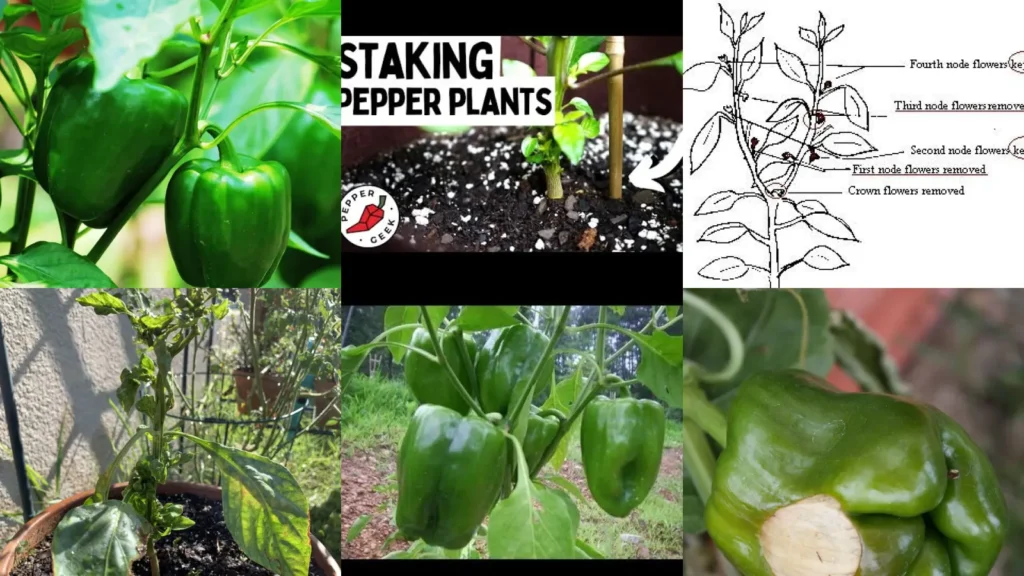

Peak growing season rolls around every year and the same mistakes show up right along with it. Plants get crowded, blooms drop off.
By August everyone’s wondering where the peppers went!
This list is here to fix that before it starts. We scrolled through hundreds of garden setups and only kept the ones that actually work in a everyday backyard, not some magazine spread.
Below you’ll find real spacing tricks, support ideas that hold up in wind. A few tricks for the vining things that always takes over.
Some of these are quick fixes. Others are full weekend projects.
Either way, nothing here needs a fancy setup or a huge budget. Most of it uses things you can grab at the hardware store or already have sitting in the garage, lol!
Each idea below includes the little details that actually matter, plus a link if you want the full walkthrough. Ready to make this the best growing season yet?
Let’s get into it.
PEPPER PLANT TIPS AND MORE
Pepper Plant Spacing Guide

Spacing sounds boring until your plants turn into one giant tangled mess by July. Give each pepper plant about 18 inches of breathing room on every side.
This keeps air moving between the leaves, which cuts down on fungus problems fast. Crowded roots also compete for water. Nobody wins that fight.
- The airflow fix
- Keeps disease from spreading plant to plant
- Works for both container and ground beds
Staking Tall Pepper Plants

Tall pepper varieties get top heavy the second the fruit starts coming in. A simple wooden stake or a tomato cage keeps the whole plant from tipping over in a storm.
Read also: 20+ Genius Small Tomato Cage Ideas That Maximize Harvests
Tie the main stem loosely with soft garden twine so it doesn’t cut into the stalk as it thickens.
- The storm insurance
- Saves branches loaded down with fruit
- Cheap stakes work just as well as fancy ones
Pruning Pepper Plants Early

Early pruning feels wrong the first time you try it. You’re basically removing perfectly good growth on purpose!
Read also: 20+ Stunning Peony Garden Ideas That Bloom All Spring
Pinching off the first flush of flowers pushes the plant to grow a stronger root system instead. That stronger base means way more peppers later in the season.
- The patience payoff
- Delays fruit by a week or two
- Doubles the total harvest by fall
Pepper Plant Sunlight Needs

Peppers are sun hogs, plain and simple. They want six to eight hours of direct light every single day, no exceptions.
A spot that looks sunny in May can turn shady by June once nearby trees fill out. Walk your garden at noon and check before you plant.
Fertilizing Peppers For Growth

Too much nitrogen gives you a jungle of leaves and barely any peppers. A fertilizer with more phosphorus and potassium pushes the plant toward fruit instead of foliage.
Feed every three to four weeks once flowering starts. Skip it too long and growth slows down noticeably.
- The fruit over foliage rule
- Every three to four weeks does the trick
- Compost tea works if you want something homemade
Preventing Blossom End Rot

Blossom end rot shows up as a dark, sunken spot on the bottom of the pepper. It’s honestly heartbreaking after all that waiting.
Inconsistent watering is usually the real culprit, not a lack of calcium like most people assume.
Keep the soil evenly moist with a deep watering schedule instead of quick daily sips.
Mulch around the base helps a ton with this too.
- The heartbreak preventer
- Deep watering beats daily light sprinkles
- Mulch locks moisture in during heat waves
Zucchini Raised Bed Layout

A raised bed gives zucchini the loose, well drained soil it actually wants. These plants have huge root systems, so a bed at least 12 inches deep makes a real difference.
If you were hunting for zucchini growing tips, this one is a keeper!
Read also: 15+ Edible Gardening Ideas That Yield Triple Harvests
One of the best these also applies here honestly, since spacing matters just as much for these sprawling vines.
- The room to sprawl setup
- Fits two plants per standard four foot bed
- Drains fast after heavy rain
Hand Pollinating Zucchini Blooms

Hand pollinating sounds intimidating, but it’s honestly just dabbing pollen from a male flower onto a female one with a small paintbrush. Bees sometimes skip the yard entirely during a rainy stretch, so this becomes a lifesaver.
You can tell the flowers apart by the tiny fruit sitting behind the female bloom. No fruit shape means it’s male, simple as that.
- The bee backup plan
- Takes about two minutes each morning
- A cheap paintbrush works better than a cotton swab
Zucchini Vine Border Ideas

Zucchini vines love to sprawl in every direction, so training them along a garden border keeps the whole yard looking intentional instead of chaotic.
Lay the vines gently along a low fence or edging stone. They’ll follow the path with just a little guidance every few days.
Cucumber Trellis Against Fence

A fence you already have is basically a free trellis waiting to happen. Attach a simple grid of twine or wire mesh and let the cucumber vines climb right up it.
If you were hunting for cucumber vertical ideas, this one is a keeper!
Read also: 20+ Stunning Trellis Plant Ideas That Transform Tiny Yards
This setup saves a ton of ground space and keeps the fruit clean and straight instead of curling on the dirt.
- The free trellis trick
- Uses a fence you already own
A-Frame Cucumber Support Idea

An A-frame support looks like a little tent and works so well for cucumbers. Two panels of cattle fencing lean together at the top. The vines climb up both sides at once.
Read also: 17+ Clever Tomato Cage Ideas DIY That Maximize Harvests
This shape doubles your growing space in a tiny footprint. Perfect for a small backyard corner that needs to work harder.
- The double duty tent
- Doubles growing space in one small footprint
- Cattle panels last for years outdoors
Vertical Cucumber Cage Design
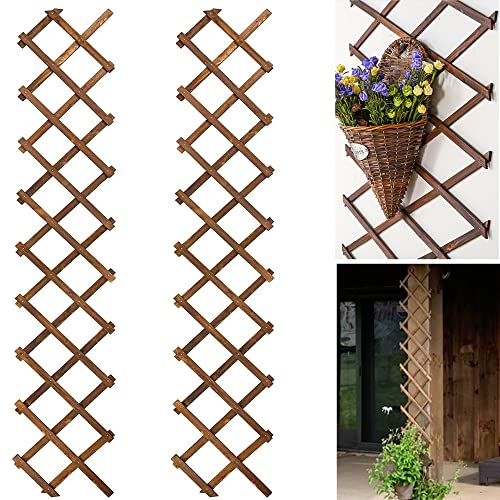
A cylindrical wire cage gives cucumbers something sturdy to grip without any tying required. These vines climb with little tendrils that grab onto anything nearby.
Set the cage in place before you plant so the roots don’t get disturbed later.
Fruit hangs on the outside, which makes picking way easier too.
- The no tying needed setup
- Vines grip the wire on their own
- Makes picking simple without bending over
Melon Sling Trellis Support
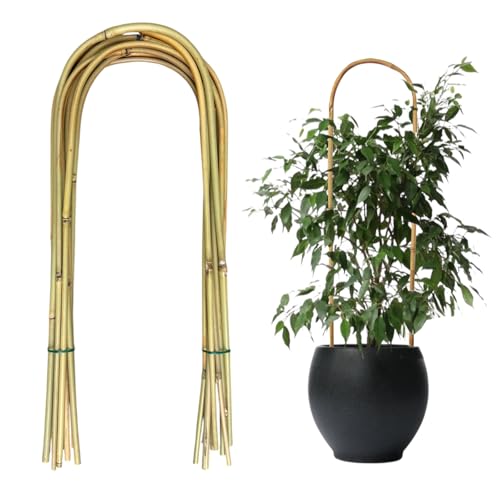
Melons on a trellis need a little extra help holding on. That’s where a sling comes in. Old pantyhose or a mesh produce bag tied to the support cradles the fruit as it grows heavy.
If you were hunting for melon trellis ideas, this one is a keeper!
Without one, the vine can snap right under the weight.
- The weight problem solver
Arched Melon Trellis Tunnel

An arched tunnel turns a plain garden path into something you actually want to walk through. Melon vines climb both sides and eventually meet overhead, creating natural shade below.
It looks incredible by midsummer and honestly feels a little magical walking underneath it, haha!
- The garden path upgrade
- Cattle panel arches hold up for seasons
- Creates natural shade for a shady bench
Melon Vine Fence Training

Training melon vines along a fence line saves ground space and keeps the fruit up where it stays clean. Weave the vine through the fence slats as it grows instead of letting it sprawl loose.
A little guidance every few days keeps everything tidy without much extra work.
Backyard Pumpkin Patch Corner

A dedicated corner of the yard turned into a pumpkin patch feels like such a fun fall project. Pick a spot with full sun and plenty of room, because these vines wander far and wide.
One of the best pumpkin patch backyard ideas is simply letting the vines ramble into an unused corner nobody’s using anyway.
- The unused corner fix
- Needs full sun and room to wander
- Vines can stretch ten feet or more
Fall Pumpkin Patch Display

Once the vines are established, the display side of things gets really fun. Line up pumpkins by size on hay bales or an old wooden ladder for a display that looks straight off a farm stand.
Add a few mums and gourds around the edges. It looks fantastic in photos, not gonna lie.
- The farm stand look
- Hay bales double as free risers
- Mums add instant color contrast
Kid Friendly Pumpkin Patch

Last but definitely not least, this kid friendly patch setup is a total win for any backyard gathering. Wide, mulched paths between the vines make it easy for little ones to wander and pick their own pumpkin.
Add a small wagon nearby for hauling the harvest around. It turns picking day into the whole event.
- The wander and pick setup
- Mulched paths keep little feet clean
- A wagon makes hauling pumpkins way easier
Just a little note - some of the links on here may be affiliate links, which means I might earn a small commission if you decide to shop through them (at no extra cost to you!). I only post content which I'm truly enthusiastic about and would suggest to others.
And as you know, I seriously love seeing your takes on the looks and ideas on here - that means the world to me! If you recreate something, please share it here in the comments or feel free to send me a pic. I'm always excited to meet y'all! ✨🤍
Xoxo Camille