
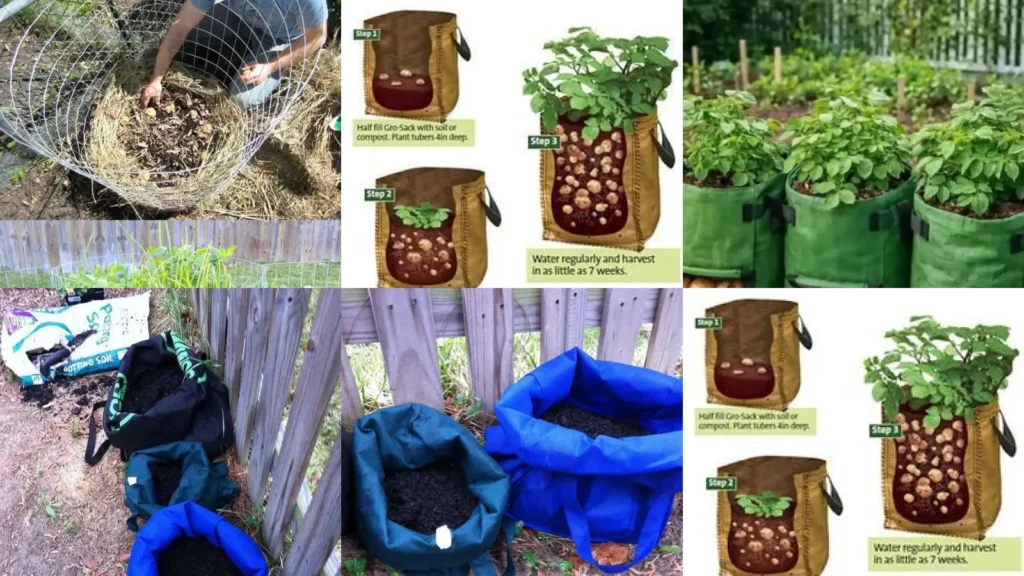

Here’s a tip nobody tells you at the garden center: rolling down the sides of a grow bag as your plant grows works better than filling it all the way up on day one. It sounds backwards, but it saves your back and your soil budget!
That one trick alone changed how I think about container gardening. So I started digging through hundreds of pins to see what else was hiding out there.
This list is the result. Every idea here got kept because it’s doable on a patio, a balcony or a tiny back porch, no giant yard required.
Some of these are about potatoes specifically. Others cover the container garden classics that pair so well with them, like carrots, lettuce, radishes and peas.
You don’t need fancy equipment for any of this. A few fabric bags, some decent soil and a sunny corner will get you most of the way there.
Scroll through, save your favorites and start planning your spring setup. Your future harvest is going to thank you!
POTATO GROW BAG IDEAS
Layered Potato Grow Bag Setup

Layering seed potatoes in stages is the classic move for a reason. Start with a few inches of soil, add your potatoes, then keep adding layers as the plant grows.
Read also: 19+ Genius Kitchen Scrap Garden Ideas That Cost Zero
This method tricks the plant into producing more tubers along the buried stem. More layers usually means more potatoes at harvest time.
- The layering method that actually works
- Start with just four inches of soil
- Add layers as shoots reach the top
- More stem underground means more spuds
Potato Bags On Small Patios
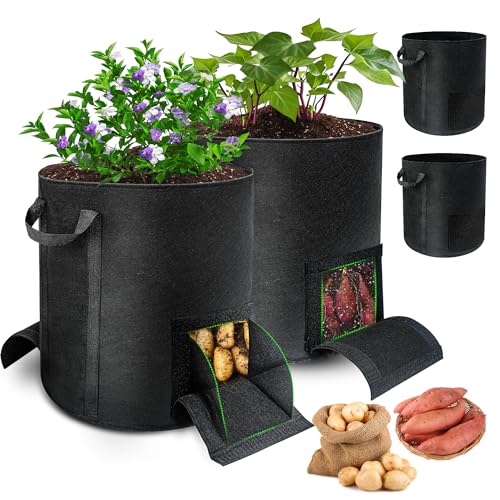
Small patios can absolutely handle a real potato harvest. Two or three bags tucked against a sunny wall take up barely any floor space.
They’re surprisingly forgiving too. No digging, no tilling, just a bag and a spot that gets six hours of sun.
- Patio approved and proven
- Fits in a two foot by two foot corner
- No digging required at all
- Works on concrete or pavers
Fabric Grow Bags For Potatoes

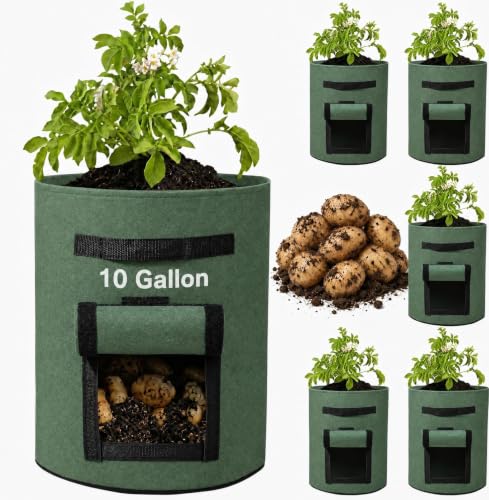
Fabric grow bags beat plastic buckets for one big reason: drainage. Roots and tubers hate sitting in soggy soil.
Fabric lets excess water escape from every side.
The breathable material also keeps soil temperature more even. Fewer wild swings mean happier roots and steadier growth all season long.
- Breathable beats plastic every time
- Ten gallon size fits most patios
- Handles make moving them a breeze
- Folds flat for winter storage
Potato Bag Companion Planting Combo

Potatoes actually do well with a few companions tucked into the same bag. Bush beans and cilantro along the edges won’t compete for the same root space.
Marigolds are a nice border pick too. They look cheerful and are said to keep certain pests away from the tubers below.
- Not a solo act after all
- Bush beans along the rim work great
- Marigolds add color and pest defense
- Keep companions shallow rooted
Rolling Down Grow Bag Sides

Here’s that trick again, because it deserves its own spotlight. Roll the bag sides down low at planting time instead of standing them up tall right away.
As the plant grows taller, unroll the sides and add more soil around the stem. It keeps things tidy and honestly makes the whole process less messy, lol!
- The rolled down secret prop
- Unroll gradually as shoots stretch upward
- Keeps soil contained during watering
- No fancy equipment needed at all
Potato Grow Bags On Balcony

Balconies get a bad reputation for being too small for real vegetables. That reputation is not fair, honestly!
A single bag tucked in a sunny corner produces a legitimate harvest. Railing planters can hold the smaller companion herbs right alongside it.
Read also: 20+ Stunning Strawberry Tower Ideas That Maximize Harvests
- Small space, real harvest
- One bag yields several pounds of potatoes
- Ideal for south facing railings
- Lightweight enough for upper floor balconies
Colorful Potato Bags Porch Display
Who says grow bags need to be boring beige? Colorful fabric bags in red, teal or mustard yellow turn a plain porch into something worth photographing.
Line up three or four different shades near the front door. It looks intentional, not like an accident of leftover gardening supplies, haha!
- Porch decor that also feeds you
- Mix three colors for a cheerful lineup
- Sold at most garden centers now
- Doubles as porch decor all summer
Stacked Grow Bags Vertical Garden

Stacking bags vertically is the move when floor space is basically nonexistent. A simple wooden or metal frame holds three or four bags at different heights.
Read also: 20+ Stunning Raised Planter Ideas Patio Designs Transform
Watering takes a little more thought with this setup. A drip line running down the stack keeps every level evenly moist without extra effort.
- Vertical is the only option sometimes
- Frame holds three bags stacked high
- Drip line saves watering time
- Great fix for narrow side yards
Deep Containers For Carrots

Carrots need real depth to grow straight, so shallow pots are a setup for disappointment. A container at least twelve inches deep gives roots the room they actually want.
Anything shorter and you end up with stubby, twisted carrots. Not the end of the world, but not exactly Instagram material either, lol!
- Depth matters more than width
- Twelve inches deep is the minimum
- apple cider barrels work surprisingly well
- Drainage holes are absolutely nonnegotiable
Sandy Soil Mix For Carrots

Regular garden soil is too dense and clumpy for container carrots. A loose sandy mix lets those roots push straight down without hitting resistance.
Mix in some coarse sand with your potting soil before planting. Carrot growing tips containers gardeners swear by usually start with exactly this step.
- Loose soil grows straighter carrots
- Sift out rocks and clumps first
- Keeps roots from forking sideways
Thinning Carrot Seedlings Containers

Carrot seeds get planted way too thick most of the time, myself included. Thinning feels wasteful, but it’s the only way the remaining roots get room to swell.
Snip the extras at soil level instead of pulling them. Pulling disturbs the neighbors and nobody wants collateral damage in a container this small.
- The thinning nobody wants to do
- Snip instead of pulling neighbors loose
- Thin to two inches apart eventually
- Baby carrots are a tasty bonus
Shallow Container Lettuce Garden

Lettuce is the easiest win on this entire list. It barely needs six inches of soil depth, so almost any container works.
A wide shallow bowl or an old drawer lined with plastic does the job just fine. This one is basically foolproof, even for total beginners.
- The lazy gardener’s easiest win
- Repurposed drawers work surprisingly well
- Harvest outer leaves and it regrows
Windowsill Lettuce Container Setup
A sunny windowsill can keep you in fresh lettuce basically year round. Small pots lined up catch morning light and take up almost no counter space.
Rotate the pots every few days so growth stays even on all sides. Lettuce container ideas like this one make winter salads a lot less sad.
- Fresh greens without leaving the kitchen
- Rotate pots for even growth
- Cut and come again all winter
Mixed Greens Container Arrangement

Mixing several greens in one container looks lush and saves space. Butterhead, arugula and red leaf lettuce together make a container that doubles as a centerpiece.
They all want the same amount of water and light, so there’s no juggling required. Talk about an easy win for beginners!
- One pot, whole salad bowl
- Three lettuce varieties in one pot
- No special care juggling needed
- Looks as good as it tastes
Spacing Radish Seeds Properly
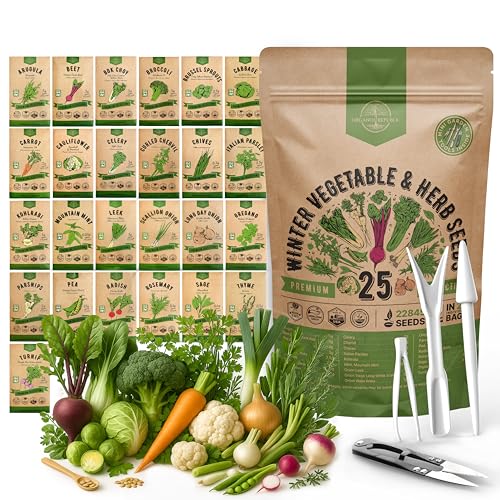
Radishes are famous for being fast and forgiving, which makes them perfect for anyone just starting out. Radish growing tips beginners always mention come down to one thing: spacing.
Crowded radishes stay small and fight each other for room. Give each seed about an inch of breathing space and they’ll size up nicely within weeks.
- The fastest payoff in the garden
- One inch between each seed
- Great for kids to plant themselves
DIY Pea Trellis Design
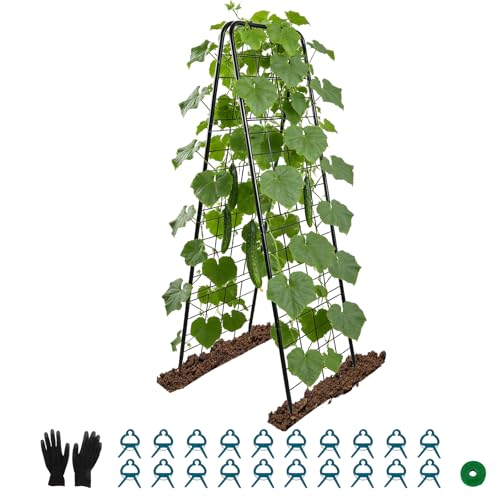
A homemade trellis costs almost nothing and peas genuinely need the support. Sticks from the yard tied together with twine work as well as anything from the store.
A simple teepee shape holds up under a full season of vines. It’s sturdy, looks charming and costs exactly zero dollars, haha!
- Free trellis, zero regrets
- Teepee shape stays sturdy all season
- Twine ties it together in minutes
Bamboo Trellis For Peas

Bamboo poles are the classic choice for good reason. They’re light, strong and hold up season after season without rotting the way wood eventually does.
Cross a few poles into an A-frame shape over your container. Peas will climb it happily without any extra encouragement from you.
- The classic that never fails
- A-frame shape maximizes climbing space
- Lasts several seasons if stored dry
- Sold cheap at most garden stores
Vertical Pea Trellis Container

Last but definitely not least, a vertical trellis inside a container solves the small space problem completely. A tall pot with a trellis pushed into the soil lets peas climb up instead of sprawling out.
Read also: 16+ Small Balcony Plant Ideas That Transform Tiny Spaces
This setup is perfect for a narrow balcony corner. Pea trellis ideas like this one prove you don’t need a backyard to grow your own snap peas.
Read also: 20+ Stunning Trellis Plant Ideas That Transform Tiny Yards
- Climbing up instead of sprawling out
- Perfect for balcony corners
- Vines climb without any training needed
Just a little note - some of the links on here may be affiliate links, which means I might earn a small commission if you decide to shop through them (at no extra cost to you!). I only post content which I'm truly enthusiastic about and would suggest to others.
And as you know, I seriously love seeing your takes on the looks and ideas on here - that means the world to me! If you recreate something, please share it here in the comments or feel free to send me a pic. I'm always excited to meet y'all! ✨🤍
Xoxo Camille